
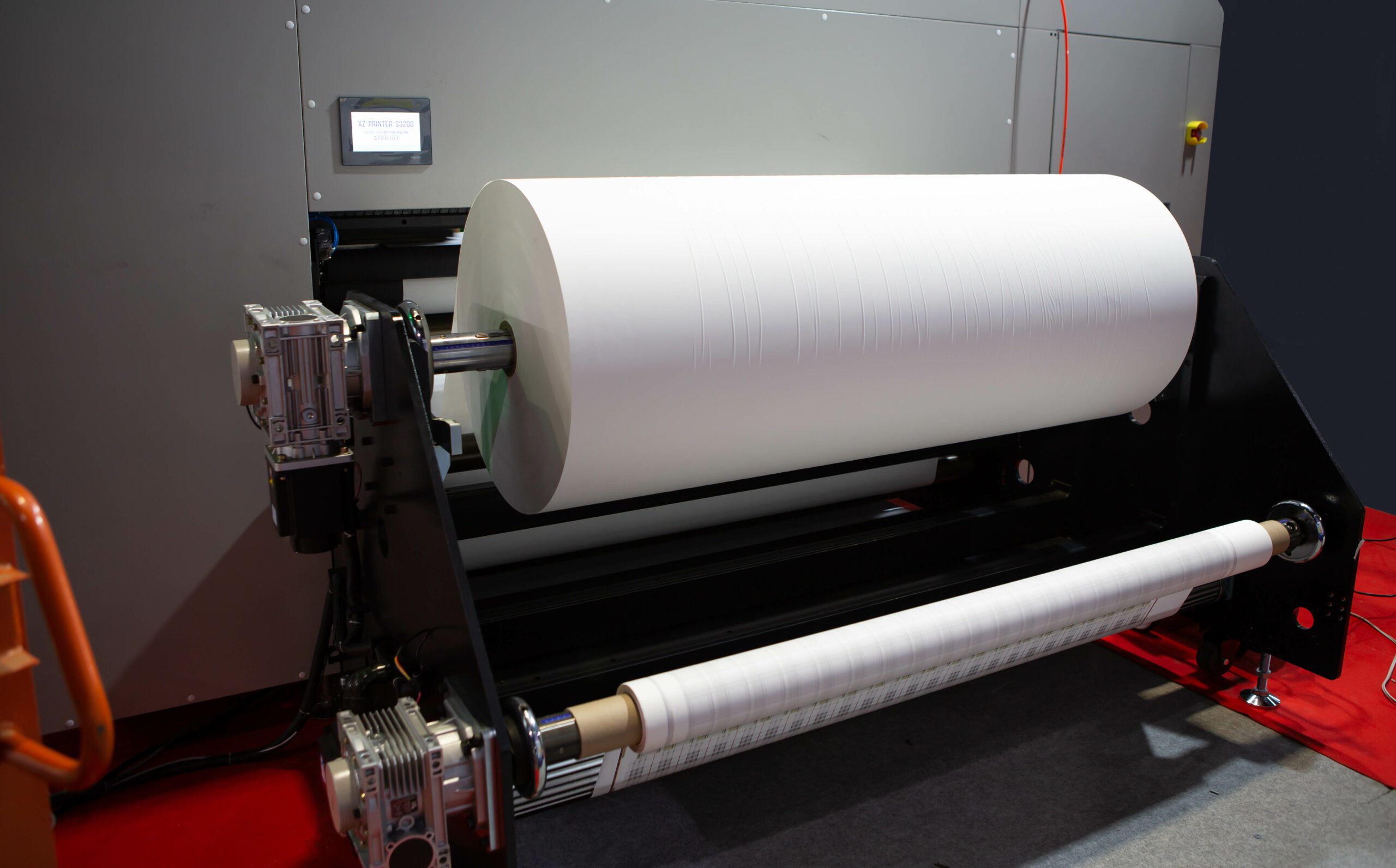
Sublimation printing has transformed the creative landscape, offering a way to produce vibrant, durable, and long-lasting prints on everything from fabrics to hard surfaces. Whether you’re printing on a t-shirt, creating custom mugs, or designing promotional materials, the right sublimation paper can make a significant difference in the quality of your output. While many factors impact the final result—such as the quality of your sublimation printer and ink—one element that is often overlooked is the type of sublimation paper used. Among the top choices for professionals and hobbyists alike is Epson sublimation paper, a name synonymous with quality and reliability. In this post, we’ll explore why selecting the right sublimation paper is crucial, the different types available, and how Epson sublimation paper stands out.
Why Sublimation Paper Matters
Sublimation printing is a process that transfers images onto materials by turning solid dye into a gas without passing through the liquid stage. This intricate process requires precision, and one of the most important tools for a successful sublimation print is the paper. Sublimation paper serves as a carrier for the dye ink until it’s transferred to the final substrate, which could be fabric, ceramic, metal, or wood.
However, not all sublimation papers are created equal. Some are designed for specific types of projects or substrates, while others are more versatile. The right sublimation paper will ensure that the ink is absorbed efficiently, transferred evenly, and remains vibrant and true to the original design. Choosing the wrong paper could result in dull colors, blotchy images, or even ink bleeding during the transfer process. Read Using Dye Sublimation for Your T-Shirt Printing Business to learn more.
Key Features To Look For In Sublimation Paper
Before diving into the types of paper, it’s essential to understand the key features that define high-quality sublimation paper:
- Weight and Thickness: Heavier papers are typically better suited for thicker substrates like ceramic or wood, while lighter-weight papers are ideal for fabrics.
- Ink Absorption Rate: Good sublimation paper should have a high ink absorption capacity, ensuring the design is fully captured before it is transferred onto the final material.
- Drying Time: Faster drying times are crucial to ensure that your ink doesn’t smudge or smear during the transfer process.
- Release Efficiency: The ability of the paper to release ink into the substrate is a critical factor. High-quality sublimation paper transfers a significant percentage of the ink, resulting in vibrant, clear prints.
- Compatibility: Not all sublimation papers are compatible with all printers or inks. Epson sublimation paper, for example, is specifically designed to work seamlessly with Epson printers and inks, ensuring optimal results.
Different Types Of Sublimation Paper
There are several types of sublimation papers available in the market, each serving a particular purpose based on the substrate and the type of print desired. Here’s a breakdown of the most common types of sublimation paper:
Textile Sublimation Paper
Textile sublimation paper is designed for fabrics, such as polyester or poly-blends. It’s typically lightweight, which helps to transfer ink evenly onto soft materials without soaking through the fabric. Epson sublimation paper for textiles is known for its excellent ink release and vibrant color results, which are essential for high-quality garment printing. This type of paper ensures your designs are not only bold but also durable, holding up to washing and wear without fading.
Ceramic Sublimation Paper
For hard surfaces like ceramics, metal, or glass, ceramic sublimation paper is required. This type of paper is typically heavier and designed to handle the rigors of transferring ink to these rigid materials. Epson sublimation paper is particularly well-regarded for its ability to handle high-heat transfers without smudging or fading, making it an excellent choice for printing on mugs, plates, or tiles. Its thicker composition ensures that the ink stays in place until it is perfectly transferred to the ceramic surface.
Multi-Purpose Sublimation Paper
Some sublimation papers are versatile enough to be used across a variety of materials. While they may not specialize in one particular substrate, multi-purpose papers are ideal for projects that involve different types of surfaces. Epson sublimation paper offers multi-purpose options that work well for both textiles and hard surfaces. This flexibility makes it an excellent choice for those who need a reliable, all-in-one solution for various projects, from t-shirts to phone cases.
High-Release Sublimation Paper
High-release sublimation paper is designed to maximize the amount of ink that transfers from the paper to the substrate. This is particularly important for projects that require bold, vivid colors, such as promotional materials or signage. Epson’s high-release sublimation papers are engineered to ensure that the ink is fully released, resulting in highly detailed prints with excellent color depth and clarity. This type of paper is ideal for professional applications where color accuracy and consistency are crucial.
Fast-Drying Sublimation Paper
For high-volume production environments, speed is of the essence. Fast-drying sublimation paper allows prints to dry quickly, reducing the risk of smudges and ensuring that the production process keeps moving. Epson sublimation paper offers fast-drying options that maintain high-quality prints without sacrificing efficiency. This is particularly beneficial for businesses that need to produce large quantities of items quickly, such as custom t-shirts or promotional products.
Why Choose Epson Sublimation Paper?
When it comes to choosing the right sublimation paper, Epson sublimation paper stands out for several reasons. As one of the leading brands in the printing industry, Epson has developed a reputation for producing high-quality products that are designed to work seamlessly with their printers and inks. Here are some key advantages of using Epson sublimation paper:
Optimal Compatibility By Epson Sublimation Paper
Epson sublimation paper is specifically designed to work with Epson’s line of sublimation printers and ink. This means you don’t have to worry about compatibility issues or subpar print quality due to mismatched products. Epson’s sublimation paper ensures that your printer performs at its best, delivering consistent, high-quality results.
Superior Ink Absorption And Release
One of the defining features of Epson sublimation paper is its ability to absorb ink efficiently and release it evenly during the transfer process. This ensures that your prints are sharp, vibrant, and true to the original design. Whether you’re printing on fabric, ceramics, or any other material, Epson sublimation paper ensures a smooth, consistent transfer of ink.
Variety Of Options For Different Needs
As mentioned earlier, sublimation printing projects can vary widely in terms of materials and desired outcomes. Epson offers a variety of sublimation paper options designed for different applications, whether you need something lightweight for fabrics, heavy-duty for hard surfaces, or fast-drying for high-volume production. This range of options makes it easy to find the perfect paper for your specific needs.
Eco-Friendly Options
In today’s world, sustainability is a growing concern for many businesses and individuals. Epson recognizes this and offers eco-friendly sublimation paper options that are produced with environmentally conscious materials and processes. By choosing Epson sublimation paper, you can create high-quality prints while also reducing your environmental footprint.
Consistency And Reliability
When working on professional projects, consistency is key. Epson sublimation paper delivers reliable results every time, ensuring that your prints are always of the highest quality. Whether you’re creating one custom t-shirt or producing hundreds of promotional items, Epson’s paper ensures that each print looks just as good as the last.
How To Choose The Right Epson Sublimation Paper For Your Project
With so many options available, it can be challenging to choose the best Epson sublimation paper for your specific project. Here are some factors to consider:
- Substrate: What material are you printing on? For fabrics, a lighter paper designed for textiles will be ideal. For hard surfaces, look for a thicker, heavier paper.
- Color Vibrancy: If you need bold, vivid colors, opt for high-release paper that maximizes ink transfer.
- Speed: For high-volume projects, choose fast-drying paper to keep production running smoothly.
- Printer Compatibility: Ensure that the paper you choose is compatible with your specific Epson printer model for optimal results.
Conclusion
When it comes to sublimation printing, the paper you choose plays a crucial role in determining the quality of your final product. Digital Technology Group, Inc. offers a wide range of options designed to meet the needs of different projects, from textiles to ceramics and beyond. With superior ink absorption, excellent release efficiency, and optimal compatibility with Epson printers and inks, Epson sublimation paper is the go-to choice for anyone looking to create vibrant, long-lasting prints. Whether you’re a professional print shop or a hobbyist, investing in the right sublimation paper can take your projects to the next level. Reach out to Digital Technology Group, Inc. today!


